Our Mission

Our mission is to develop AI-enabled computational technologies at the intersection of artificial intelligence, computational physics, and geometry modeling. We create scalable, physics-aware methods for understanding, predicting, and designing complex physical and biomedical systems, with an emphasis on scientific discovery, reliable digital twins, and real-world impact.

Artificial intelligence, geometry modeling, and computational physics research focus diagram

Research projects

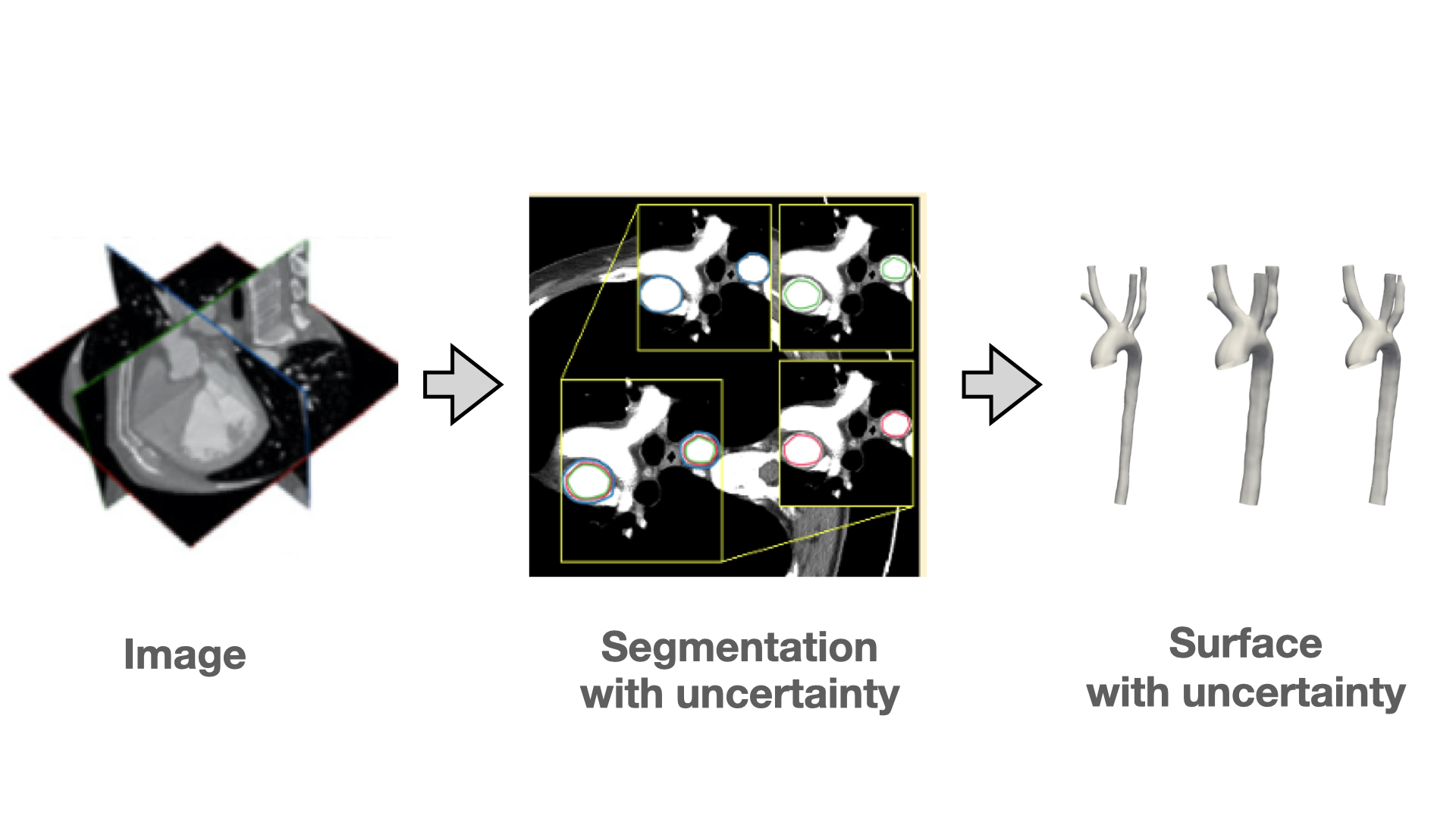
Medical image segmentation pipeline with uncertainty visualization

AI-powered image segmentation with uncertainty quantification

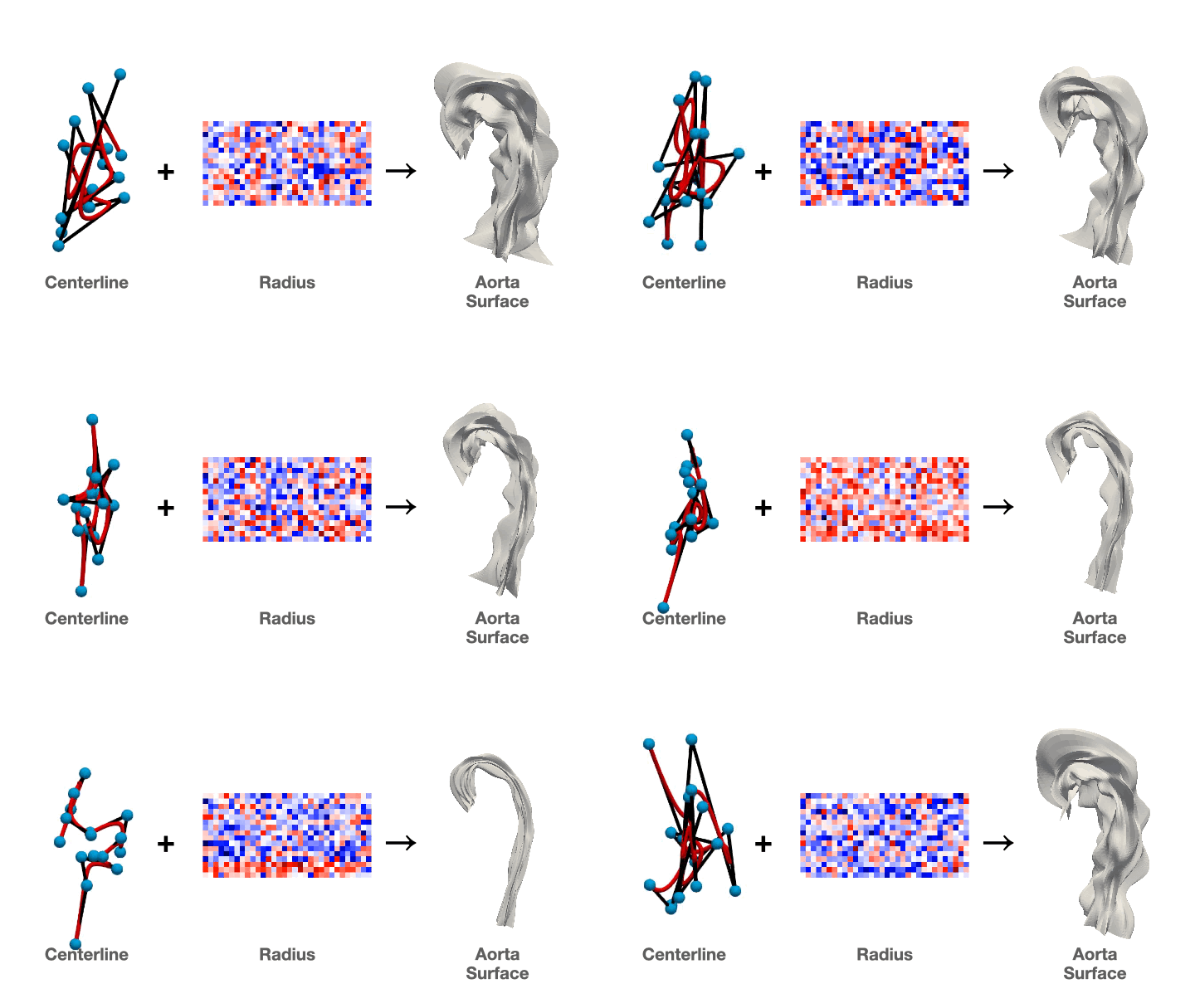
Animated vascular geometry generation result

Generative modeling for vascular geometry

Animated cross-patient vascular shape registration

Cross-patient shape registration

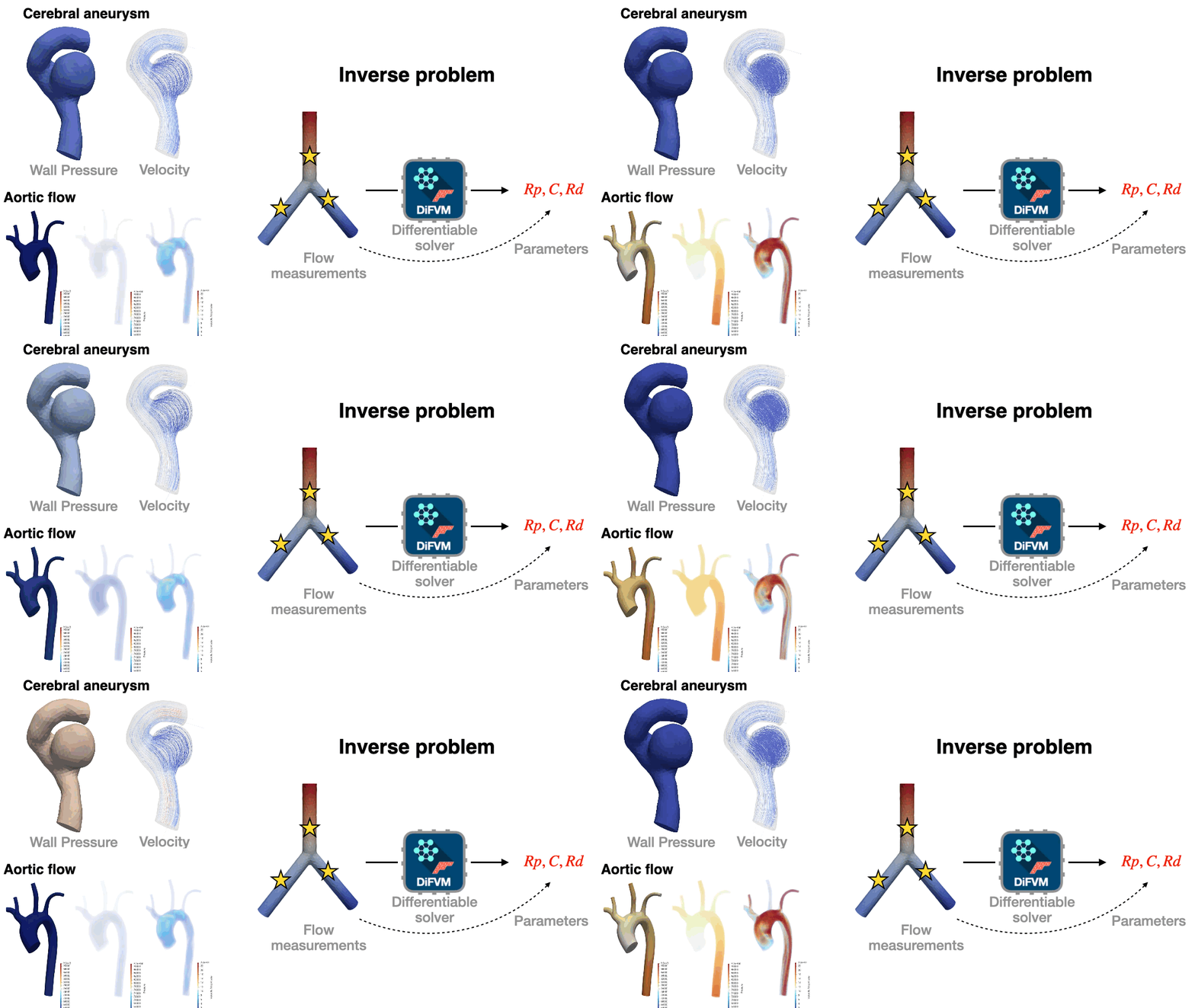
Animated differentiable fluid mechanics simulation

Differentiable modeling for fluid mechanics

Animated turbulence field generated by AI model

Generative AI for turbulence modeling

Animated semi-automatic image segmentation workflow

Semi-automatic image segmentation

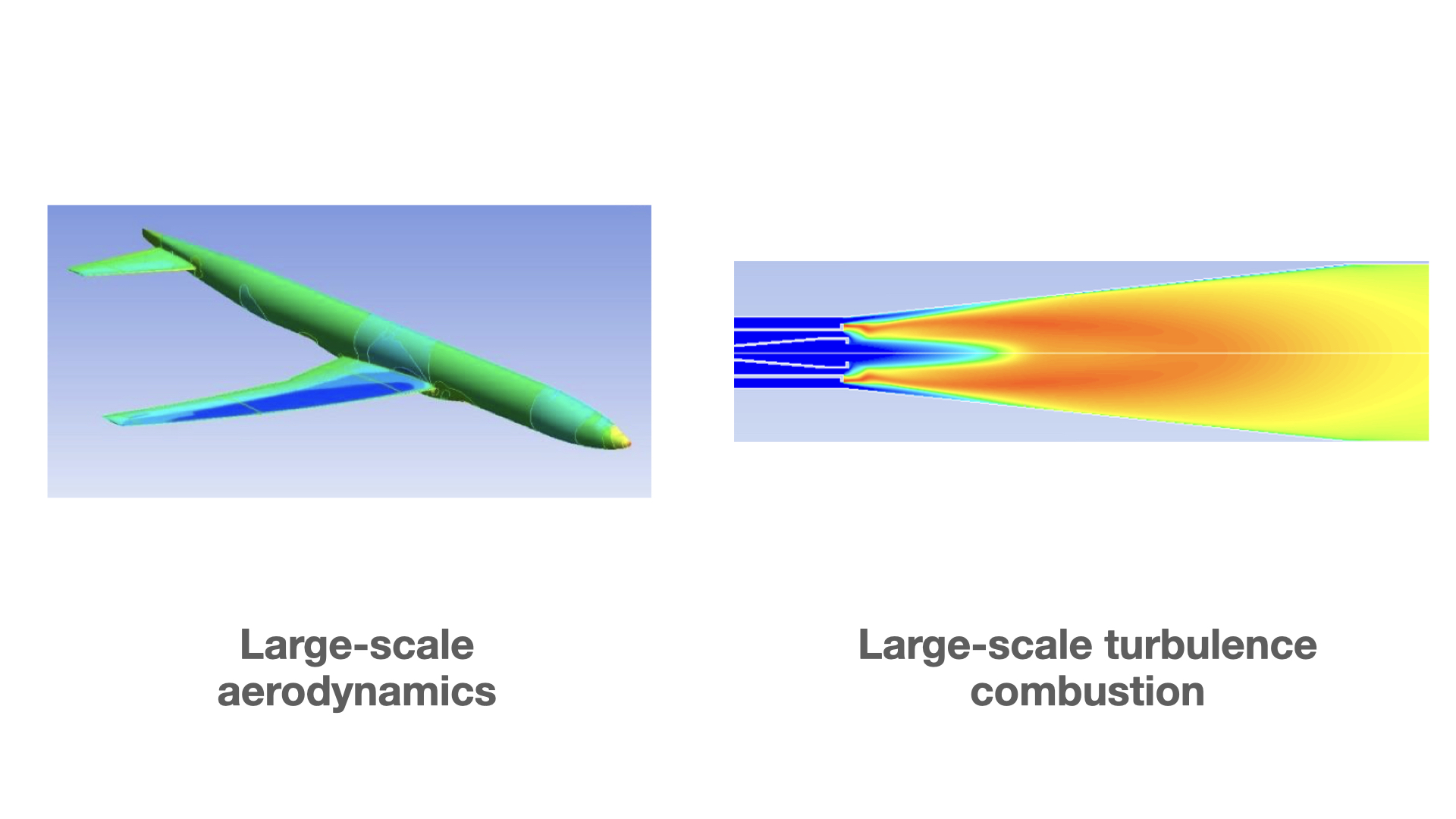
Large-scale aerodynamics and turbulence combustion examples

Large-scale computational physics

Contact

Email: [email protected]

Phone: 5748009663

Affiliation: University of California, Berkeley 2167 Etcheverry Hall, Berkeley, CA 94720

Download CV

News

Upcoming Events

  • I will be joining the Department of Mechanical Engineering at Iowa State University as a tenure-track Assistant Professor in Fall 2027.
  • Downstream applications for the DiFVM solver are on the way.

Past Events

  • April 2026 — Our GPU-enabled solver DiFVM is online: arXiv:2603.15920.
  • February 2026 — I joined Dr. Shawn Shadden's lab at the University of California, Berkeley.
  • January 2026 — I defended my Ph.D. dissertation, From Medical Imaging to Hemodynamics: AI-Enabled Modeling of Cardiovascular Flow.
  • November 2025 — I attended APS DFD as chair host for Biological Fluid Dynamics: Cardiac Flow II and presented Differentiable Graph-Based Finite Volume Solver for Patient-Specific Cardiovascular Flow Simulation.
  • September 2025 — I entered the academic job market for faculty positions focused on scientific machine learning, computational fluid dynamics, and cardiovascular flow.
  • July 2025 — I attended USNCCM18 in Chicago.
  • July 2025 — I taught AME 40411: Introduction to Artificial Intelligence at the University of Notre Dame.

Research

We develop scientific machine-learning and geometric-modeling technologies for computational physics, cardiovascular biomechanics, and digital twins.
Medical image segmentation pipeline

AI-powered image segmentation with uncertainty quantification
Vascular geometry generation

Generative modeling for vascular geometry
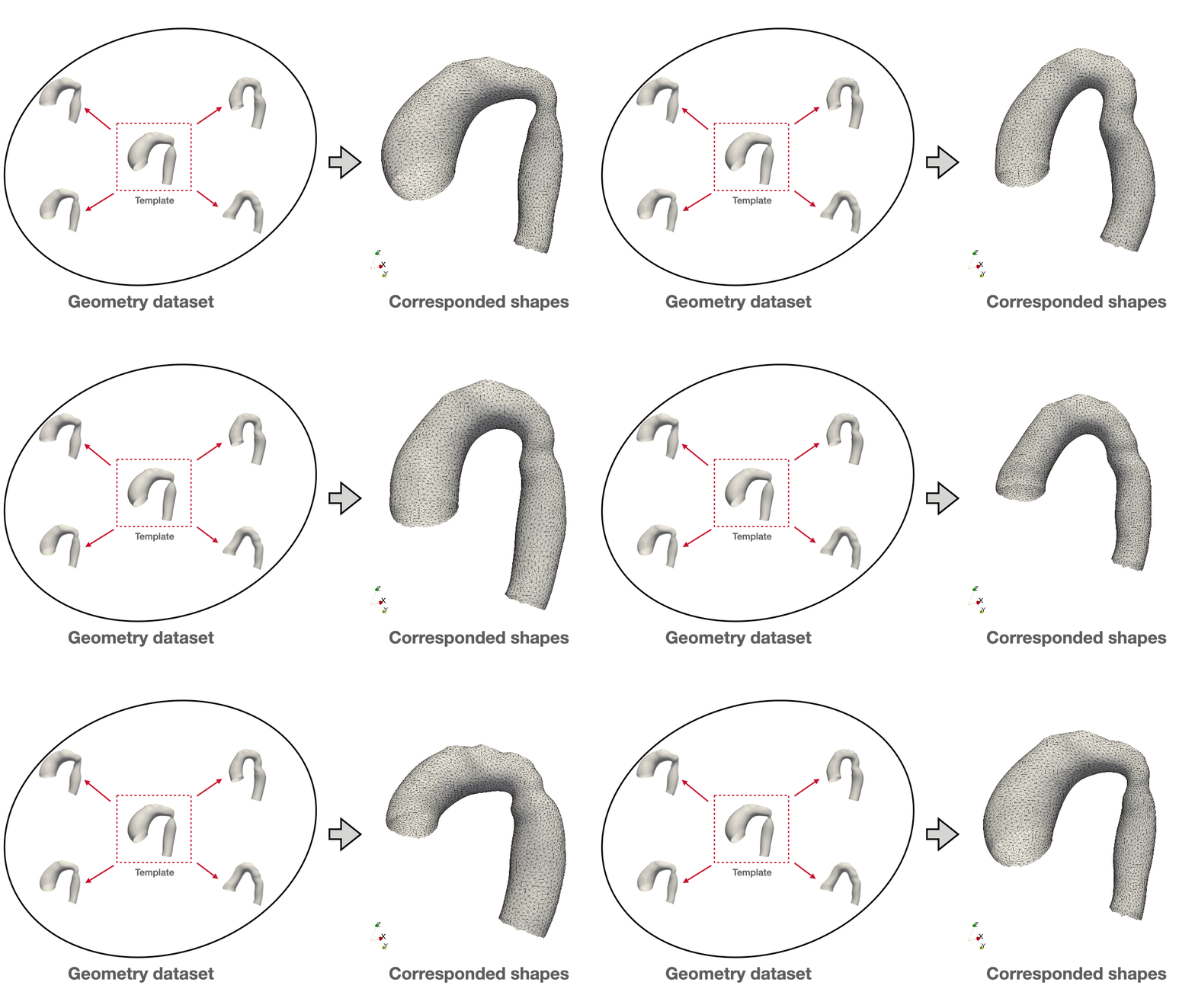
Vascular shape registration

Cross-patient shape registration

Differentiable fluid simulation

Differentiable modeling for fluid mechanics
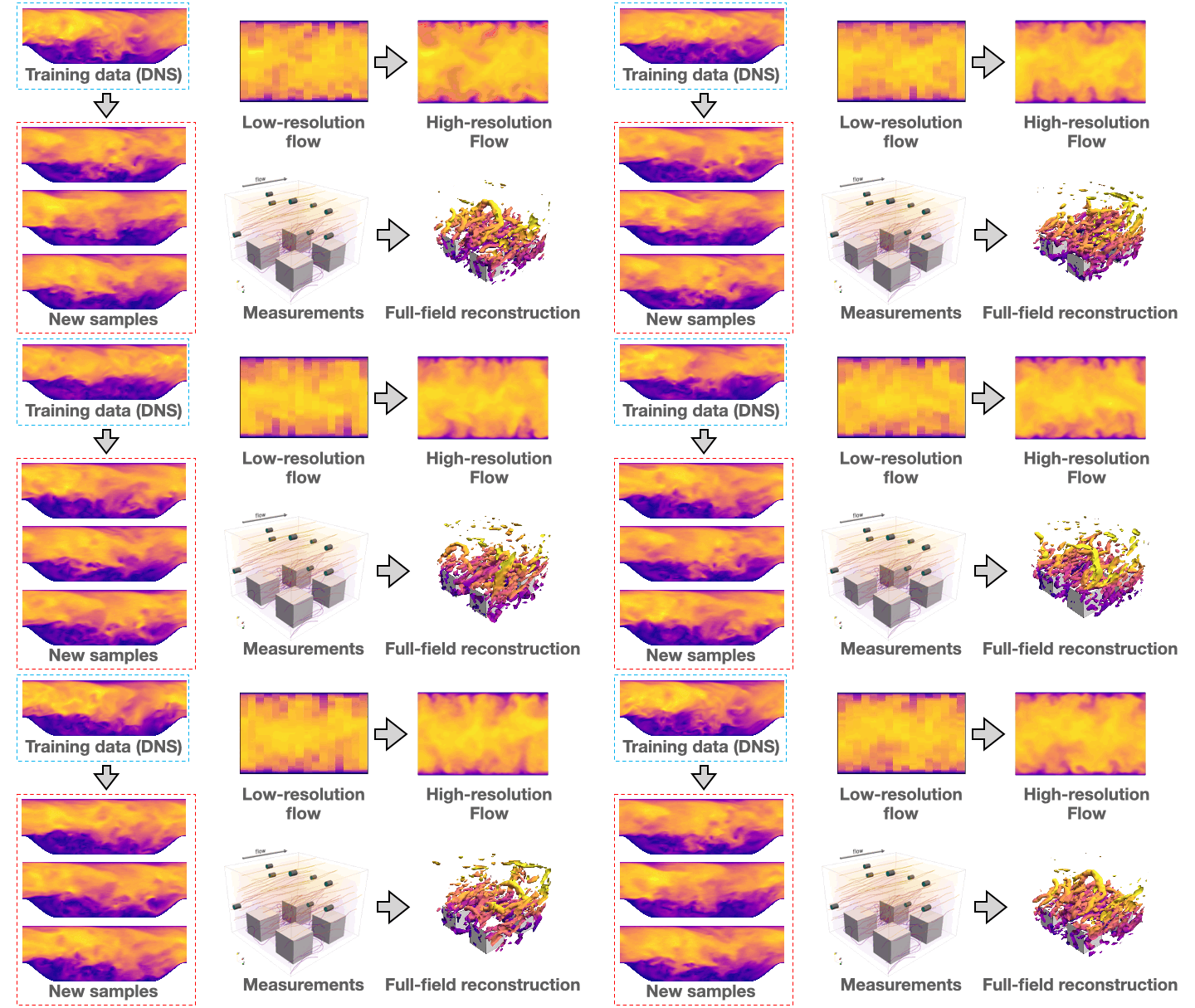
AI-generated turbulence field

Generative AI for turbulence modeling
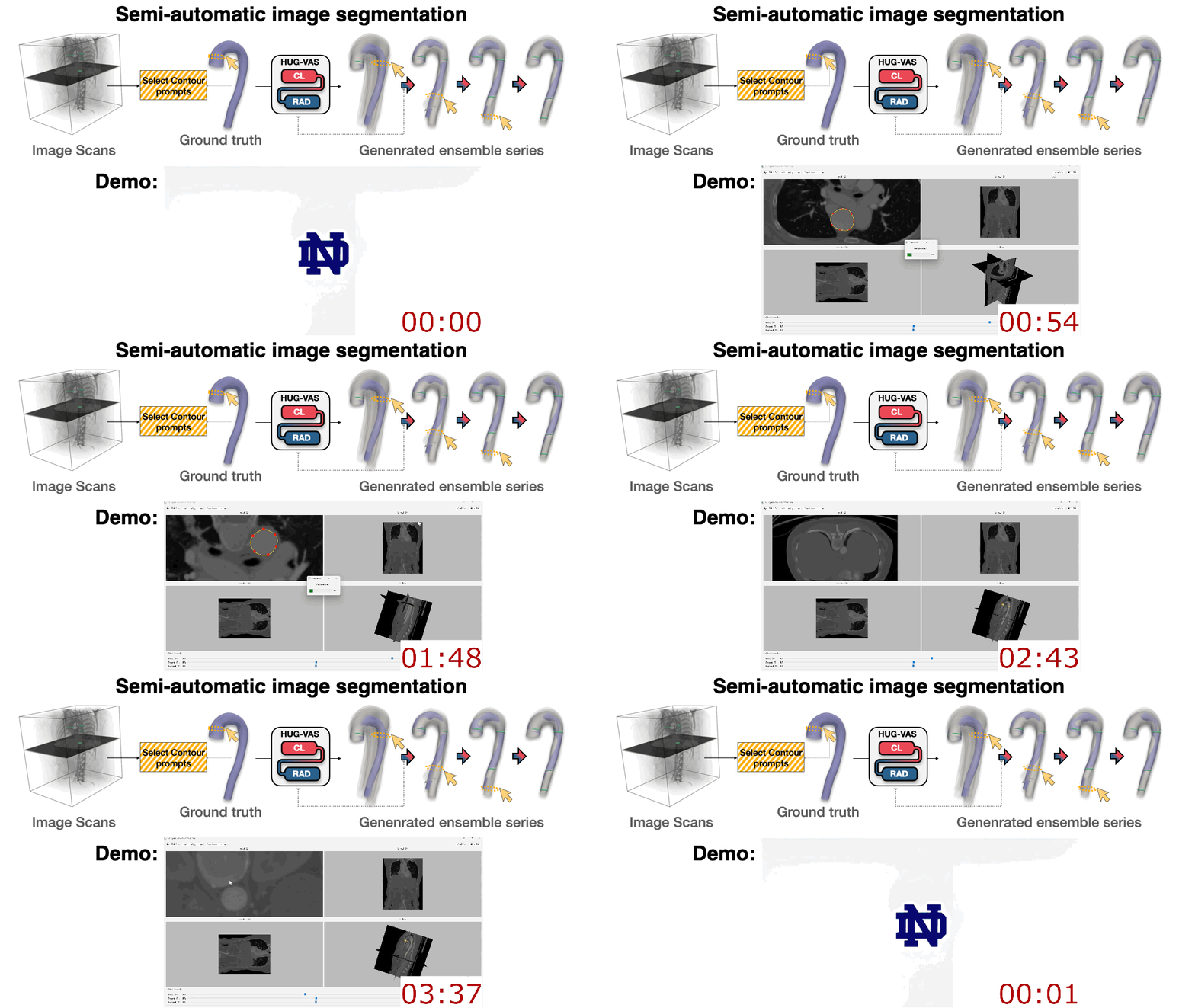
Semi-automatic medical image segmentation workflow

Semi-automatic image segmentation

Large-scale computational physics

Large-scale computational physics

Publications

Preprints

  1. Wang, X., Du, P., Taneja, K., Doon-Ralls, J., Reátegui, E., & Holland, M. (2026). Inference of Self-Limiting Neutrophil Swarming Dynamics Using Bayesian Physics-Informed Neural Networks. Submitted to PLOS Computational Biology.
  2. An, D., Du, P., Wang, J. X., & Wang, C. (2027). TSGDiff: Text-Guided Diffusion via Segmentation Priors for Volumetric Medical Image Synthesis. Submitted to AAAI 2027.
  3. Feng, Z., Liu, X. Y., Parikh, M. H., Guo, J., Du, P., Yan, B., & Wang, J. X. (2025). Generative latent diffusion model for inverse modeling and uncertainty analysis in geological carbon sequestration. arXiv preprint arXiv:2508.16640.

Published

  1. Du, P., Li, Y., Xu, M., & Wang, J. X. (2027). DiFVM: A vectorized graph-based finite volume solver for differentiable CFD on unstructured meshes. Journal of Computational Physics, 569(Part 1), 115429.
  2. Du, P., Xu, M., Zhu, X., & Wang, J. X. (2026). HUG-VAS: A hierarchical NURBS-based generative model for aortic geometry synthesis and controllable editing. Computer Methods in Applied Mechanics and Engineering, 462, 119309.
  3. Guo, J., Du, P., & Wang, J. X. (2026). Conditional Neural Field for Spatial Dimensionality Reduction of Turbulence Data: A Comparison Study. Physics of Fluids, 38(2).
  4. Du, P., An, D., Wang, C., & Wang, J. X. (2025). AI-Powered Automated Model Construction for Patient-Specific CFD Simulations of Aortic Flows. Science Advances, 11(36), eadw2825.
  5. Zhou, J., Li, R., Shang, W., Liu, Y, Panda, J. P., Du, P., Liu X., Liang J., Ma, B., Wang, J. X., & Luo, T. (2025). Physics-Informed Neural Networks with Hard-Encoded Angle-Dependent Boundary Conditions for Phonon Boltzmann Transport Equation. Materials Today Physics, 101922.
  6. An, D., Du, P., Wang, J. X., & Wang C. (2025). AortaDiff: Volume-Guided Conditional Diffusion Models for Multi-Branch Aortic Surface Generation. IEEE Transactions on Visualization and Computer Graphics.
  7. Shang, W., Zhou, J., Panda, J. P., Xu, Z., Liu, Y., Du, P., Wang J. X., & Luo, T. (2025). JAX-BTE: A GPU-Accelerated Differentiable Solver for Phonon Boltzmann Transport Equations. npj Computational Materials, 11(1), 129.
  8. Akhare, D., Du, P., Luo, T., & Wang, J. X. (2025). Implicit Neural Differential Model for Spatiotemporal Dynamics. Computer Methods in Applied Mechanics and Engineering, 446(Part B), 118280. https://doi.org/10.1016/j.cma.2025.118280.
  9. An, D., Du, P., Gu, P., Wang, J. X., & Wang, C. (2025). Hierarchical LoG Bayesian Neural Network for Enhanced Aorta Segmentation. In 2025 IEEE 22nd International Symposium on Biomedical Imaging (ISBI) (pp. 1-5). IEEE.
  10. Corpuz, A. M., Jaiswal, M., Du, P., Ramachandra, A. B., Wang, J. X., & Hsu, M. C. (2025). Direct medical image to simulation using auto-segmentation and point cloud-based CFD. Advances in Computational Science and Engineering, 3, 95-124.
  11. Du, P., Parikh, M. H., Fan, X., Liu, X. Y., & Wang, J. X. (2024). Conditional neural field latent diffusion model for generating spatiotemporal turbulence. Nature Communications, 15(1), 10416.
  12. Prashanth, M., Du, P., Wang, J. X., & Wu, H. (2024). A neural network-based algorithm for the reconstruction and filtering of single particle trajectory in magnetic particle tracking. Review of Scientific Instruments, 95(5).
  13. Liu, X. Y., Parikh, M. H., Fan, X., Du, P., Wang, Q., Chen, Y. F., & Wang, J. X. (2024). CoNFiLD-inlet: Synthetic Turbulence Inflow Using Generative Latent Diffusion Models with Neural Fields. arXiv preprint arXiv:2411.14378. Accepted by Physical Review Fluids.
  14. Du, P., & Wang, J. X. (2022). Reducing Geometric Uncertainty in Computational Hemodynamics by Deep Learning-Assisted Parallel-Chain MCMC. Journal of Biomechanical Engineering, 144(12), 121009.
  15. Du, P., Zhu, X., & Wang, J. X. (2022). Deep learning-based surrogate model for three-dimensional patient-specific computational fluid dynamics. Physics of Fluids, 34(8).
  16. Prashanth, M. N., Du, P., Wang, J. X., & Wu, H. (2022). AI-based Hybrid Model for Denoising Particle Trajectories Reconstructed from Magnetic Particle Tracking Method. In AIAA SCITECH 2022 Forum (p. 1162).
  17. Sun, L., Du, P., Sun, H., & Wang, J. X. (2022). Group sparse Bayesian learning for data-driven discovery of explicit model forms with multiple parametric datasets. Numerical Algebra, Control and Optimization.
  18. Wu, H., Du, P., Kokate, R., & Wang, J. X. (2021). A semi-analytical solution and AI-based reconstruction algorithms for magnetic particle tracking. PLOS ONE, 16(7), e0254051.
  19. Wang, X., Yablonsky, G. S., ur Rahman, Z., Yang, Z., Du, P., Tan, H., & Axelbaum, R. L. (2021). Assessment of sulfur trioxide formation due to enhanced interaction of nitrogen oxides and sulfur oxides in pressurized oxy-combustion. Fuel, 290, 119964.
  20. Du, P., & Agarwal, R. K. (2019). Numerical drag prediction of NASA Common Research Models using different turbulence models. Computers & Fluids, 191, 104238.
  21. Wang, X., Adeosun, A., Yablonsky, G., Gopan, A., Du, P., & Axelbaum, R. L. (2018). Synergistic SO x/NO x chemistry leading to enhanced SO 3 and NO 2 formation during pressurized oxy-combustion. Reaction Kinetics, Mechanisms and Catalysis, 123, 313-322.
  22. Du, P., & Agarwal, R. K. (2017). Drag Prediction of NASA Common Research Models Using Different Turbulence Models. 35th AIAA Applied Aerodynamics Conference.

Team

Principal Investigator

Graduate Students

PHASE Lab will welcome its first graduate students in Fall 2027.

View current openings

Courses

Course cover for Introduction to Artificial Intelligence

AME40411 Introduction to Artificial Intelligence

Course Instructor, undergraduate level, Fall 2025, 3 credits.

Download syllabus

My teaching philosophy emphasizes integrating modern AI methods with physical intuition and engineering principles. I aim to help students develop both theoretical understanding and practical problem-solving skills for next-generation computational engineering.

PhD Openings

We are currently hiring highly motivated PhD students. Please see details in the hiring ad below. Applicants are encouraged to submit their materials via the Google Form. If the form is not accessible, please send your application materials by email to [email protected].

Download Recruitment Flyer

The recruitment flyer could not be displayed in this browser. Open the PDF.

Postdoctoral Openings

Postdoctoral positions are currently unavailable.

Undergraduate Students

Undergraduate students interested in research opportunities are encouraged to contact the lab at [email protected].